A Guide to Loft-Compatible Lighting: Elevating Small Urban Spaces
Introduction: In the hush between high ceilings and open sightlines, light becomes both sculptor and storyteller. The Chelsea loft — whether London, New York, or another urban compass — invites light to define space, texture, and air. This article journeys through lighting strategies tailored for loft living, exploring fixture styles, placement, and energy-efficient choices that heighten the loft aesthetic without compromising function.
I. The Loft Light Palette: Layering Light for Open Interiors
Lofts are defined by their generous ceiling heights, vast horizontals, and often exposed structural elements. The lighting plan in such spaces must respect these traits while delivering warmth, task clarity, and a sense of cohesion. To achieve this, designers rely on three layers of light: ambient, task, and accent. Each layer has a distinct purpose and can be deployed without cluttering sightlines.
Ambient lighting: The broad wash that sets the overall mood. In lofts, ceiling-mounted fixtures, recessed downlights, or track lighting mounted along joists can offer even, unobtrusive illumination that preserves the sense of airiness.
Task lighting: Focused illumination for work, reading, and cooking. Pendants over a kitchen island, desk lamps by a reading nook, or adjustable wall sconces near a workspace provide practical brightness while sculpting the space.
Accent lighting: Light as a storytelling device. Sculptural sconces, wall grazing, or LEDs tucked behind architectural features reveal texture in brick, concrete, or timber, enriching the loft’s tactile language.
In high-ceiling lofts, it is crucial to avoid overwhelming the space with bright, uniform glare. The objective is to create a layered, rhythmic illumination that invites the eye to travel and the room to feel both expansive and intimate.
II. Fixture Styles: A Palette for the Loft Aesthetic
The fixtures chosen for loft spaces should honor the industrial-to-residential continuum—the sort of narrative you might associate with Chelsea’s evolving urban fabric. Below are styles that harmonize with open layouts while preserving sightlines and airflow.
Industrial Pendant Clusters
Clustered pendants over a kitchen island or dining area create a kinetic focal point without visually congesting the space.
Choose fixtures with matte black, bronze, or aged brass finishes. Clear or frosted glass shades keep illumination efficient while echoing the loft’s utilitarian roots.
Minimalist Linear LEDs
Long, slim lines preserve sightlines in open plans and deliver even task lighting across work surfaces.
Look for high color rendering index (CRI) LEDs and dimmable drivers to modulate ambiance without sacrificing ambient glow.
Wall-Mounted Sconces
Sconces along a living wall add sculptural character while freeing floor space.
Industrial or mid-century silhouettes pair well with raw materials like brick, steel, or concrete, and warm dimming can soften stark surfaces as day turns to night.
III. Placement Principles: From Corners to Centerline
In lofts, placement decisions matter as much as fixture design. The interplay between ceilings, walls, and open floors demands deliberate attention to balance, contrast, and circulation. Here are practical guidelines that align with architectural realities of Chelsea-inspired lofts:
Ceiling-first approach: Run recessed or track lighting parallel to the ceiling joists to accentuate the room’s length and preserve vertical space.
Dining and work zones: Position ambient lighting a little above eye level, with task lighting centered over work surfaces to prevent shadows and glare.
Texture and warmth: Use warm white temperatures (around 2700K–3000K) to complement exposed materials, creating a welcoming atmosphere without compromising legibility.
A well-planned loft lighting layout acknowledges the room’s natural rhythms. It should feel inevitable—the kind of lighting you don’t notice until it’s right.
IV. Energy Efficiency and Sustainability: Light with Purpose
Urban dwellers increasingly seek lighting solutions that minimize energy use while maximizing comfort. LEDs have become the standard-bearer for sustainable illumination, offering long life, low heat, and a wide spectrum of color temperatures. In loft spaces, solar tubes or daylight harvesting sensors can be integrated where windows are abundant, enabling a symbiosis between natural and artificial light.
Smart controls—occupancy sensors, dimming schedules, and app-based scenes—permit refined energy management. A loft that echoes the careful balance of light and shadow found in historic Chelsea architecture can still champion modern efficiency without sacrificing character.
V. A Practical Loft Lighting Plan: Step-by-Step
To translate theory into a tangible scheme, consider this step-by-step approach refined for compact urban spaces with lofty ceilings and responsive airflow. The plan embraces a fusion of industrial heritage and contemporary comfort, in line with the editorial ethos of The Chelsea Loft information sphere.
Step 1: Map the Space
Sketch a rough map of your loft with zones for living, dining, kitchen, and work. Identify the ceiling height at each zone and note any architectural features—exposed beams, masonry walls, or skylights—that will influence light placement.
Step 2: Choose a Layered Set
Select a primary ambient fixture for overall illumination, a set of task lights for desks and counters, and a handful of accent lights to highlight texture and form. Ensure that the layer heights do not obstruct movement or sightlines.
Step 3: Calibrate Color Temperature
Opt for warmer temperatures for living zones (2700K–3000K) and cooler temps (3500K–4000K) for kitchens and craft areas. A consistent color temperature across layers helps unify the space visually.
Step 4: Integrate a Signature Fixture
Introduce a statement fixture that speaks to the loft’s identity—an industrial pendant cluster over the dining area or a linear LED system that mirrors the room’s geometry. This device anchors the space and becomes a visual touchstone for readers of Chelsea loft design.
VI. Case Narratives: Portraits from Three Time Periods
Lighting has always served as narrative—how it reveals, conceals, and guides. Three luminaries from distinct eras illuminate the continuum of loft lighting ideals: a 19th-century industrial designer, a mid-20th-century architectural theorist, and a contemporary environmental designer. Their ideas resonate across time, informing how we illuminate compact urban spaces today.
1) 19th-Century Industrial Insight: William Morris (proto-industrial influence)
Though best known for decorative arts, Morris’s era laid the groundwork for adaptable, human-centered spaces where light served as a functional and aesthetic ally.
In loft contexts, their ethos translates to practical, manual-friendly lighting strategies—fixtures that are robust, repairable, and capable of withstanding the grit and rail-riding energy of urban life. The principle endures: light should empower daily life without overpowering it.
2) Mid-Century Modern Theorist: Louis Kahn (space, light, materiality)
Kahn’s explorations of light as an architectural material—its ability to sculpt volume and mood—resonate with loft spaces where light caresses exposed beams and brick.
Applying this to modern lofts means favoring luminaires that articulate space with precision, while allowing raw materials to remain legible. Consider wall-washed textures and soft shadows to reveal the room’s architectural poetry.
3) Contemporary Sustainable Practice: Louise E. White (modern energy-conscious design)
Today’s designers advocate for efficiency, flexibility, and material consciousness. White’s approach aligns with loft ecology: optimize daylight, reduce energy use, and select fixtures that pair longevity with elegant restraint.
In practice, this means LED fixtures with high CRI, dimmable drivers, and smart controls that adapt to occupancy and natural light cycles, all while maintaining the tempo of a refined urban interior.
These time-bound voices converge on a shared philosophy: lighting in loft spaces is less about spectacle and more about a disciplined clarity that elevates everyday life. The right light becomes an unseen companion, guiding exploration across the apartment’s open planes, from the kitchen’s edge to the living room’s quiet corners.
VII. Product Spotlight: Comfort and Control in a Chelsea-Inspired Loft
In the spirit of non-commercial, informative content, we highlight a carefully considered, high-quality bedding accent that complements a loft’s lighting story by enhancing how spaces feel at night. The Villa Goose Down Comforter embodies the kind of material warmth that makes a loft’s afterglow feel truly inviting beyond mere illumination. It pairs well with the refined, restrained aesthetic discussed here, offering warmth without weight and a measure of serenity during nocturnal hours.
Downtown Company Villa Goose Down Comforter
A quintessential element of loft comfort: lightweight warmth, premium down fill, and a breathable cotton cover. The 10" box construction ensures even loft, while a 600 fill power guarantees warmth where needed without bulk.
Price: $418.00. This item is highlighted to illustrate how a thoughtfully chosen bed ensemble can complement loft lighting by ensuring the bed remains visually calm and physically comfortable, even in rooms where light play is deliberate and dramatic.
Barolo Duvet Cover (Italian Craft)
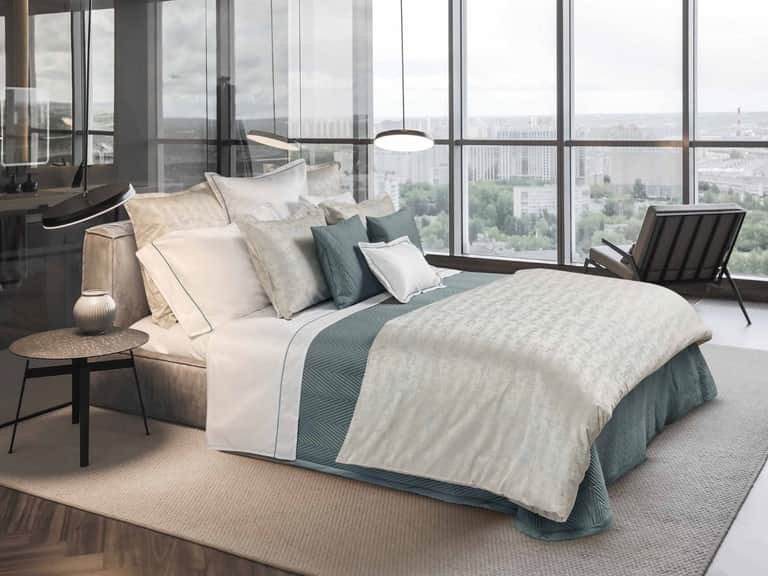
Textured jacquard fabric with a silky sateen backing, offering tactile depth and quiet elegance that harmonizes with loft textures like brick and metal.
Price: $795.00. A design note:严 compliments soft, ambient light by catching and reflecting glow, helping to soften the room’s edges when overhead light dims.
Images below illustrate these products and their aesthetic integration within a loft environment. They are provided to inform and inspire practical considerations for fabric, texture, and color pairing in spaces where lighting defines mood.
VIII. Conclusion: The Light of a Chelsea-Inspired Loft
A loft is a stage for light in motion. It invites light to trace the contours of materials, to spotlight effort and intention, and to allow air to circulate through open volumes without distraction. By embracing layered lighting, carefully chosen fixtures, and energy-conscious strategies, one can craft a space that feels both expansive and intimate—a modern homage to Chelsea’s architectural spirit and its enduring urban romance.
As you map your own loft's luminous language, remember that the most enduring lighting schemes respect the room’s architecture, celebrate texture, and remain adaptable to daily life. The goal is not mere brightness but a balanced, legible, and welcoming atmosphere where every corner has its moment in the glow.
Further Reading and Resources
Glossary of loft lighting terms, energy-efficient lighting options, and design guides aligned with the Chelsea loft philosophy.
Loft lighting terminology and concept guides
Energy-efficient LED selection and dimming practices
Experience lightweight warmth and cloud-soft touch with even loft across the bed, thanks to 80% European down and a 10" box. Breathable, year-round comfort, durable cotton cover, and durable piping—all in a clean, timeless design for easy, all-season sleep.
Experience luxurious texture and comfort with Barolo: tactile jacquard on top, silky cotton sateen backing, secure buttons and interior ties for a fuss-free, restful night in Italy-inspired style.
Handmade to order in Vermont, the Cherry Moon Bed blends smooth arches with a contemporary leg for a clean, modern look. Sustainably sourced solid wood, tailored to your room, signifying longevity and a natural, warm feel with a timeless finish.