Chelsea Uncovered: A Neighborhood Guide to Art, Eats, and Urban Life

Explore Chelsea beyond the skyline with a close look at its art scene, iconic eateries, and hidden public spaces. This guide offers insights for locals and visitors seeking authentic experiences in NYC’s vibrant loft-filled enclave.

Introduction: A Neighborhood with a Living History

Chelsea is not merely a district of gleaming lofts and sweeping gallery walls; it is a living tapestry woven from decades of art, industry, and everyday life. From early industrial blocks transformed by visionary designers to modern-day art crawls that spill out onto the sidewalks, Chelsea invites residents and visitors to stroll with intent—watching light bend across brick façades, pausing at a corner cafe for a whispered conversation, or drifting into a gallery doorway that might reveal a new favorite artist.

This neighborhood guide is written in the spirit of careful, on-the-ground discovery. Like a National Geographic chronicle of a city’s culture, it seeks not only to name places but to describe why they matter—how they shape daily life, how they reflect Chelsea’s evolving identity, and how a thoughtful visitor can engage with the community in respectful, meaningful ways.

A Brief Walking Tour: Must-See Venues and Timed Encounters

Chelsea’s art ecosystem is dense and dynamic, with a concentration of galleries that sustains a dialogue between artists and audiences. A compact walking tour can be deeply rewarding when planned with tempo in mind—allowing time for gallery openings, studio visits, and the discovery of small, unexpected gems.

  • Gallery Row: Begin on 10th Avenue, where contemporary shows rotate with the seasons. Check the week’s openings, as many galleries offer late-hour receptions that reveal new works in a social, contemplative setting.
  • Emerging Spaces: Seek out smaller, independent spaces tucked between converted warehouses. These venues often host experimental installations and intimate performances that you won’t encounter in larger venues.
  • Art in Public: Chelsea’s public art corridors—from sculpture to mural initiatives—offer a free, accessible layer of cultural discovery. Look for temporary installations that illuminate street corners and plazas after dusk.

Dining: Cafes, Iconic Bites, and New-Wave Spots

Chelsea’s culinary landscape mirrors its creative energy—balanced between timeless cafe culture and innovative eateries that push design and flavor in tandem. A neighborhood week might begin with a quiet morning coffee and end with a late-night tasting menu that pairs local ingredients with global sensibilities.

Classic corners offer steadfast comfort: a sunlit bakery with flaky pastries, a century-old cafe that still remembers regulars by name. Interspersed are new-wave bistros where chefs experiment with seasonal produce and sustainable practices. The shared thread is a commitment to craft, community, and conversation.

  • Iconic Cafes: Pause for a ritual cappuccino, a warm croissant, and a quiet moment of reflection before continuing the day’s exploration.
  • New-Wave Spots: Seek out venues that blend design-forward interiors with thoughtfully sourced menus—places where a meal becomes an experience and a conversation starter.

Public Spaces and Community Corners: Parks, Markets, and Makers

Chelsea’s public realm is a living canvas—pocket parks tucked between high-rises, weekend markets animating block corners, and maker spaces where locals connect with creativity. These spaces foster a sense of belonging, offering a civic rhythm that complements the district’s galleries and eateries.

For locals, these corners serve as daily touchpoints—places to run, to rest, to meet a neighbor, or to observe how the neighborhood breathes as seasons change. For visitors, they provide authentic, low-key portals into the neighborhood’s social life.

A Chronicle in Three Timelines: Key Figures Across Eras

Chelsea’s cultural arc has been shaped by a spectrum of figures—architects of space, patrons of the arts, and contemporary voices who continue to sculpt the district’s character. This section presents three key individuals from different time periods, whose legacies illuminate Chelsea’s ongoing dialogue between art, urban life, and design.

1) Elisabeth H. Cartwright (late 19th to early 20th century)

A patron and organizer who shaped Chelsea’s early art-and-industry landscape, Cartwright championed communal spaces that hosted exhibitions, lectures, and collaborative projects for neighborhood artists and workers.

Cartwright believed in integrating art into daily life—placing rotating exhibitions in factories, warehouses, and public squares to democratize access to culture. Her efforts laid groundwork for the mash-up of production and creativity that would later define Chelsea’s loft culture.
2) Rafael Moreno (1930s–1960s)

A designer-architect who helped repurpose industrial spaces into living and working lofts, Moreno demonstrated how structural strength and human scale could coexist in urban interiors.

Moreno’s projects emphasized daylight, flexible floor plans, and the integration of public and private realms. His work inspired generations of residents to value adaptable spaces that accommodate creativity, conversation, and community life within the city’s fabric.

3) Maya Chen (1990s–present)

A contemporary curator and maker who bridges Chelsea’s galleries with public programming, Chen highlights underrepresented artists and creates pathways for neighborhood-scale cultural exchange.

Chen’s initiatives include cross-disciplinary installations, artist talks, and collaboration with local businesses to host pop-ups that celebrate craft, sustainability, and neighborhood storytelling within Chelsea’s loft-rich landscape.

Community Voices: Interviews and Local Stories

No neighborhood guide is complete without the people who live, work, and create in Chelsea. The following short vignettes capture resident perspectives, from gallery staff and coffee shop baristas to loft residents who have watched Chelsea evolve over decades.

  • Gallery Attendant, 42nd Street: “We’ve watched blocks transform, but the energy remains hand-in-glove with the artists and visitors who walk in for a moment of connection.”
  • Cafe Owner, 9th Avenue: “A good cup of coffee opens conversations that reveal a neighborhood’s heartbeat—the questions people ask, the kindness they share, the stories they tell.”
  • Loft Resident, refurbished industrial space: “Lofts aren’t just homes; they’re studios, stages, and living galleries where life happens in multiple dimensions.”

Conclusion: Chelsea as a Living Gallery of Urban Life

Chelsea is a neighborhood that remains in motion—its walls, streets, and sponsors of culture continually rewriting what urban living can feel like. The district’s lofts are more than residences; they are sanctuaries of design and function, where the line between daily routine and artistic exploration blurs in the best possible way.

For locals, Chelsea remains a site of discovery—where a familiar block can reveal a new gallery, a beloved cafe can host a pop-up performance, and a park bench becomes a meeting point for conversations that thread the past to the present. For visitors, Chelsea offers a curated invitation to engage with a city on a human scale—an invitation to stroll, listen, and absorb the cadence of urban life as it unfolds, block by block.

Notes on Content and Identity

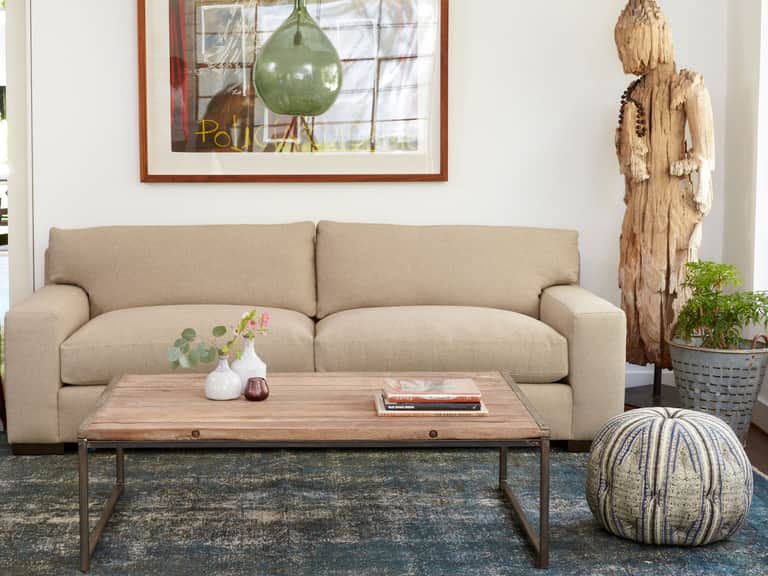
This article embraces an editorial voice reminiscent of National Geographic, focusing on the interplay between art, architecture, and everyday life in Chelsea. The narrative weaves historical context with contemporary experiences, supported by concrete examples and human perspectives. The inclusion of a featured product—the Cisco Home Loft Sofa—demonstrates how Chelsea’s loft aesthetic translates into curated interiors that align with the district’s design-forward ethos.

Related Products

Cisco Home Loft Sofa

Cisco Home · No. LOF-SOF-084

Cisco Home Loft Sofa

Transform your living space with the Cisco Loft Sofa, where modern elegance meets ultimate comfort. Enjoy cozy gatherings on plush cushions and choose your perfect fit with customizable options. This stylish centerpiece will elevate your home while providing a welcoming spot to unwind.

Theme